

The Evolution of Solar Panel Technology: Harnessing the Power of the Sun
In an age where renewable energy sources are becoming increasingly vital for sustainable development, solar panel technology has emerged as a shining star. Solar panels, also known as photovoltaic (PV) panels, have seen a remarkable evolution since their inception. This article delves into the history, technical advancements, and current uses of solar panel technology, highlighting the remarkable progress made in recent years.
The Early Days of Solar Panels
Solar panels have a rich history dating back over a century. The photovoltaic effect, the phenomenon that allows solar panels to generate electricity from sunlight, was discovered by Alexandre-Edmond Becquerel in 1839. However, it wasn’t until the mid-20th century that practical applications of this phenomenon began to take shape.
The first functional solar cell was developed in 1954 by Bell Labs researchers, using silicon as the semiconductor material. These early solar cells had a very low efficiency of around 6%, making them impractical for widespread use. Still, they marked the beginning of a journey toward more efficient and affordable solar technology.
Evolution of Solar Panel Technology
- Improved Materials:
The evolution of solar panel technology can be largely attributed to advances in materials science. Initially, single-crystal silicon was used for solar cells, but it was expensive and difficult to produce. This led to the development of multi-crystalline and amorphous silicon, which were more cost-effective but less efficient. Today, monocrystalline silicon solar cells dominate the market due to their high efficiency and durability.
- Efficiency Enhancements:
One of the key challenges in solar panel technology has been increasing efficiency. Early solar panels had efficiencies below 10%, while modern monocrystalline panels can exceed 20% efficiency. Emerging technologies like perovskite solar cells offer the potential for even higher efficiencies in the future.
- Thin-Film Technology:
Thin-film solar panels, made from materials like cadmium telluride (CdTe) and copper indium gallium selenide (CIGS), have emerged as an alternative to traditional crystalline silicon panels. They are lighter, flexible, and can be integrated into a variety of applications, including building-integrated photovoltaics (BIPV).
- Tandem Solar Cells:
Tandem solar cells stack multiple layers of different materials to capture a broader spectrum of sunlight. This technology significantly boosts efficiency and is a promising avenue for further improvements.
Technical Advancements
To appreciate the evolution of solar panel technology, it’s important to consider some key technical data:
- Efficiency:
Efficiency measures the conversion of sunlight into electricity. Early solar panels had efficiencies around 6%, while modern monocrystalline panels can achieve efficiencies of 20-22%, and some experimental cells reach even higher levels.
- Cost Reduction:
The cost of solar panels has plummeted over the years, primarily due to economies of scale, improved manufacturing processes, and increased competition. In the early 2000s, solar panels cost over $4 per watt. Today, that cost has fallen to less than $1 per watt, making solar energy more accessible to a broader range of consumers.
- Lifespan:
Solar panels are designed to last for decades. Modern panels typically come with warranties of 25 years or more, and their actual lifespan can often exceed this. This longevity has contributed to the attractiveness of solar energy investments.
- Energy Production:
A standard 1 kW (kilowatt) solar panel system can produce around 1,300 to 1,600 kWh (kilowatt-hours) of electricity annually, depending on factors like location and panel efficiency. In sunny regions, this can power a significant portion of a household’s energy needs.
Current Uses and Future Potential
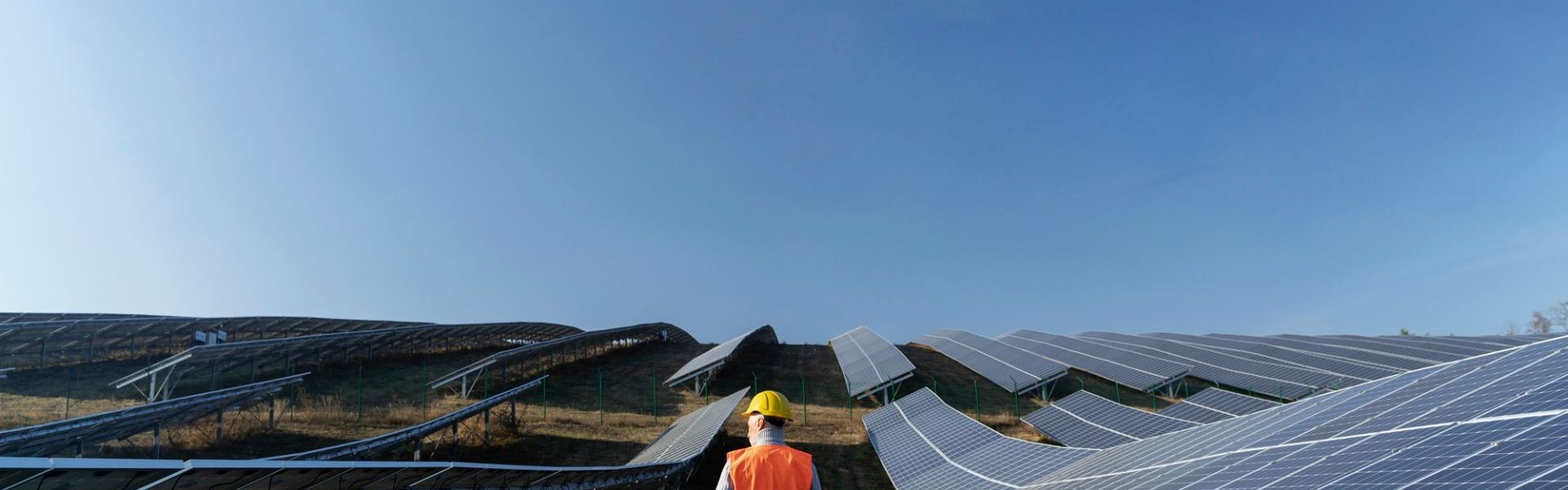
Today, solar panels are widely used for residential, commercial, and utility-scale applications. They provide clean, renewable energy, reduce greenhouse gas emissions, and contribute to energy independence. Solar power is used not only to generate electricity but also for heating water and spaces through solar thermal systems.
Looking ahead, solar panel technology continues to evolve. Innovations in energy storage (such as lithium-ion batteries) are complementing solar installations, making it possible to store excess energy for use during cloudy days or at night. Additionally, advancements in smart grid technology are optimizing the integration of solar power into existing energy infrastructure.
Conclusion
The evolution of solar panel technology from its humble beginnings to the efficient and cost-effective systems we have today is a testament to human ingenuity and the commitment to a sustainable future. As the world strives to combat climate change and transition to cleaner energy sources, solar panels will undoubtedly play a central role in shaping our energy landscape. With ongoing research and development, we can expect even more impressive innovations in solar technology in the years to come, making solar energy an increasingly indispensable part of our lives.
Subscribe For Newsletter
Sign up now for updates about early registration. A wonderful serenity taken possession into entire soul also like.